
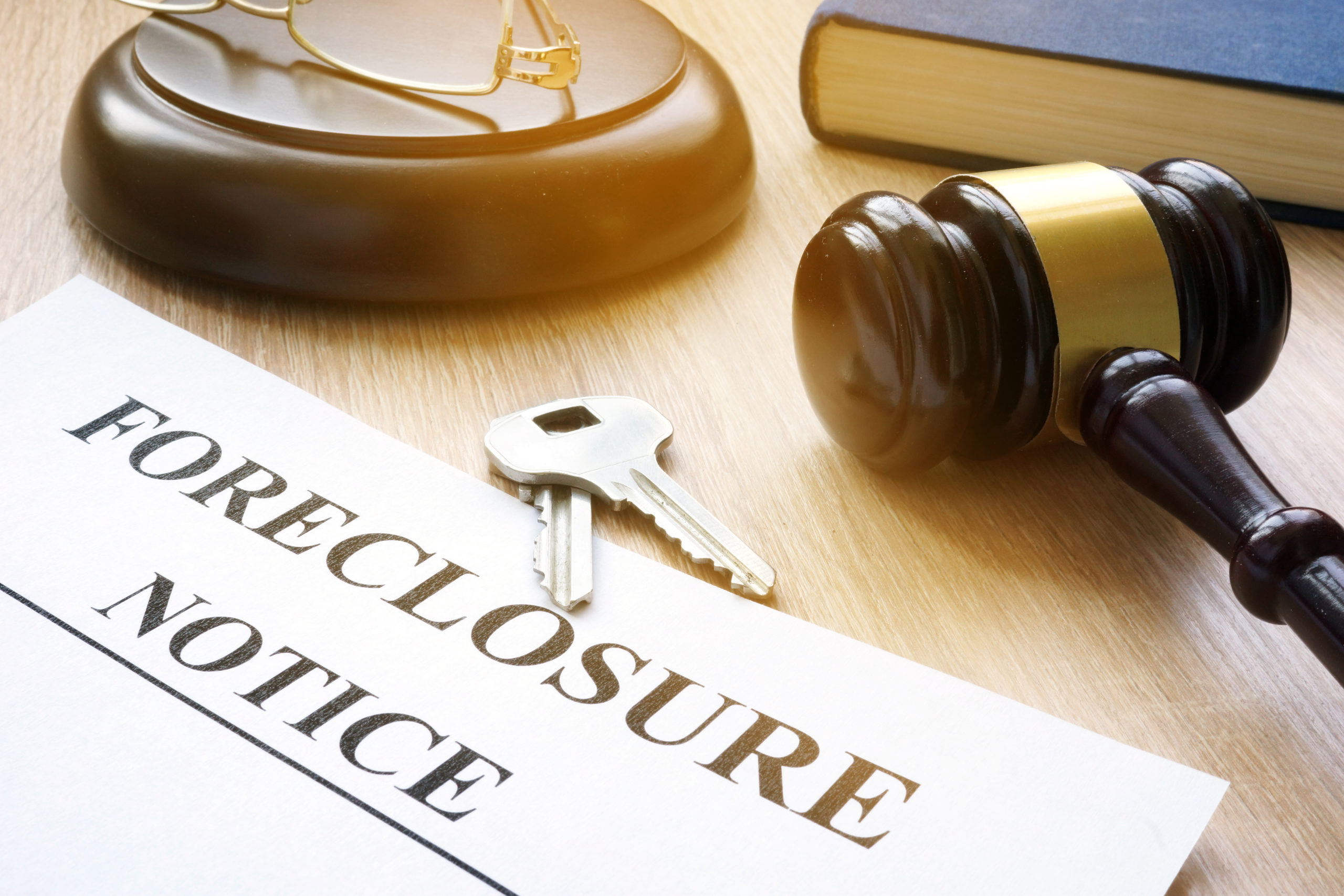
Foreclosures on the Horizon? Why the Market Remains Resilient
While global economic shifts caused millions to experience a decline in income, the predicted “wave” of foreclosures has largely failed to materialize. Even as temporary protections like the CARES Act expired, the real estate market has remained remarkably stable. Understanding why this resilience exists can help lenders and homeowners navigate the current New York landscape with greater clarity.
Borrowers Utilized Forbearance as a Safety Net
Interestingly, data from the Mortgage Bankers Association (MBA) showed that a significant portion of homeowners who entered forbearance—roughly 30% as of mid-2020—continued to make their monthly mortgage payments. This suggests that many borrowers used the program as a precautionary measure to maintain financial flexibility during uncertain times rather than out of absolute necessity. As restrictions lifted, the majority of these homeowners were able to remain current on their loans.
Lenders Prefer Solutions Over Foreclosure
Foreclosure is a tedious and expensive process. In many jurisdictions, it can take up to three years to complete, involving significant legal fees and administrative hurdles for the lender. Consequently, mortgage providers are usually highly motivated to work with borrowers. Common alternatives that keep people in their homes include:
-
Payment Deferrals: Moving missed payments to the end of the loan term.
-
Loan Modifications: Extending the term or reducing the interest rate to make monthly payments more affordable.
-
Repayment Plans: Spreading out past-due amounts over a set period.
The Power of Home Equity
Perhaps the biggest defense against foreclosure in recent years has been the steady increase in real estate prices. Most New York homeowners currently have significant positive equity in their properties. If a homeowner finds they can no longer afford their mortgage, they often have the option to sell the property, pay off the lender in full, and walk away with their credit score intact—and potentially some cash in their pocket.
Short Sales and Proactive Options
For those with negative equity, a short sale remains a viable alternative to foreclosure. While a short sale does impact a credit score, it is often viewed more favorably by future lenders because it demonstrates a good-faith effort to resolve the debt. It allows the borrower to move on without the long-term stigma of a repossession on their record.
Preparing for the Future
While a massive spike in foreclosures is unlikely, some increase in volume is inevitable as the market corrects. Mortgage companies and services are encouraged to invest in the right tools and partnerships to handle this volume efficiently. At jbensonNotary, we provide the specialized support needed to manage these complex document signings with precision and empathy.
Experience the jbensonNotary Difference
Since 2008, our team has been the trusted partner for title agencies, mortgage lenders, and consumers across the country. At jbensonNotary, we understand that every transaction represents a person’s future, and we treat it with the professional care it deserves.
We audit every file 8 or 9 times throughout the process to ensure every signature is perfect and every document is ready for recording. This commitment to detail is why we maintain an elite reputation across New York and all 51 major U.S. jurisdictions.
Looking for a partner you can trust in any market? Visit www.jbensonNotary.com to get started today!
Category: Notary News
Tags: #Foreclosures #MarketResilience #jbensonNotary #NYNotary #HomeEquity #MortgageSafety #RealEstateTrends