
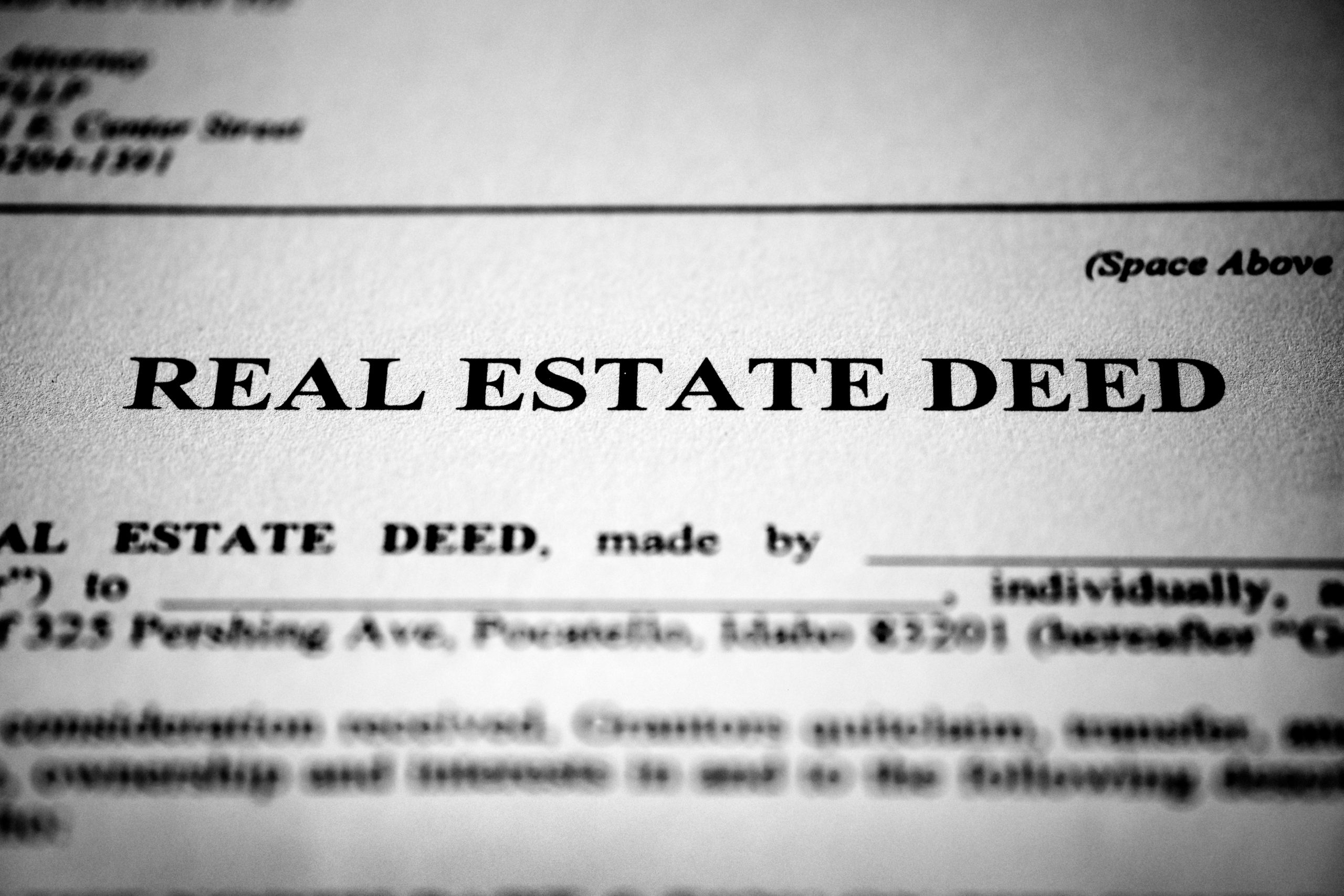
In the world of New York real estate, the deed is the viral heartbeat of every transaction. It is the legal engine that transfers title from the grantor (the seller) to the grantee (the buyer). However, not all deeds are created equal. The specific form used determines the level of protection and the “promises” the seller makes about the property’s history. Here is a breakdown of the most common property deeds you’ll encounter at the closing table.
The General Warranty Deed: Maximum Protection
This is the gold standard of real estate protection. A General Warranty Deed certifies that the title is crystal clear and that the grantor is the rightful owner. Most importantly, the grantor promises to protect the buyer against any previous liens or claims on the property—no matter when they originated. This is typically issued after a thorough search by a title insurance company, providing the buyer with the ultimate peace of mind.
The Special Warranty Deed: Limited Coverage
A Special Warranty Deed offers a more narrow layer of protection. In this scenario, the grantor only warrants that they haven’t done anything to compromise the title during their specific period of ownership. It does not provide a warranty against issues that may have existed before they bought the home. While it confirms the seller has a right to sell, it leaves a gap for older historical claims.
The Quitclaim Deed: The Quick Fix
The Quitclaim Deed (sometimes called a non-warranty deed) offers the least amount of protection. The grantor makes zero promises regarding the quality of the title. If a surprise lien pops up later, the buyer has no legal recourse against the seller. Why use it? It’s a viral favorite for “low-stakes” transfers, such as adding a family member to a title, removing a spouse after a divorce, or transferring property into a living trust.
The Bargain and Sale Deed: The Middle Ground
Commonly seen during foreclosures or court-ordered seizures, the Bargain and Sale Deed is a hybrid. It implies that the grantor is the rightful owner and has the liberty to sell the property, but it doesn’t necessarily offer a warranty against all encumbrances. Because these are often issued without a full title insurance policy backing the grantor, they carry a higher level of risk for the buyer.
A Better Way to Close with jbensonNotary
Since 2008, jbensonNotary has been the trusted partner for New York title agencies, mortgage lenders, and buyers navigating the complexities of property deeds. We know that whether you are signing a General Warranty Deed or a simple Quitclaim, the details must be perfect.
At jbensonNotary, we provide the ultimate safety net for your real estate transaction. We “touch” every single file 8 or 9 times to ensure that every signature is captured correctly and every document is ready for the county clerk without a single delay. Our obsessive attention to detail is why we’ve successfully managed many signings with an elite 96% closing ratio.
Ready to secure your title with confidence? Visit www.jbensonNotary.com to get started today!
Category: Notary News Tags: #PropertyDeeds #NewYorkRealEstate #jbensonNotary #NYNotary #WarrantyDeed #Quitclaim #RealEstateLaw #ClosingDay2026